Table of Contents
A comprehensive and educational guide about industrial flow control solutions.
Industrial Flow Control: A Comprehensive Guide to Valves and Actuators
In modern industry, precise control over the movement of liquids, gases, and slurries is essential for safety, efficiency, and profitability. Industrial flow control is the engineering discipline dedicated to managing this movement. It encompasses a wide range of devices, with valves and actuators serving as the foundational components. Understanding these solutions is crucial for professionals across industries like oil and gas, power generation, water treatment, and manufacturing.
Understanding Industrial Valves
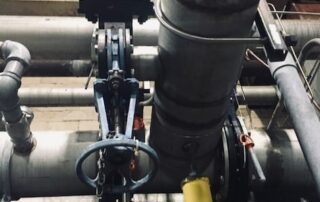
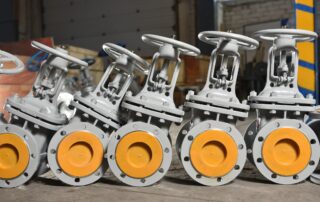
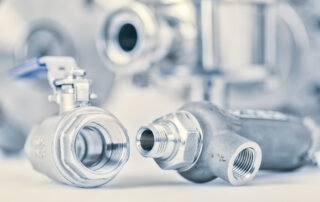
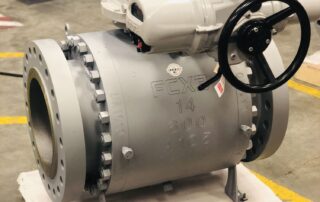
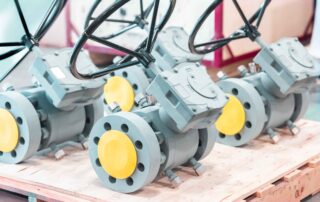
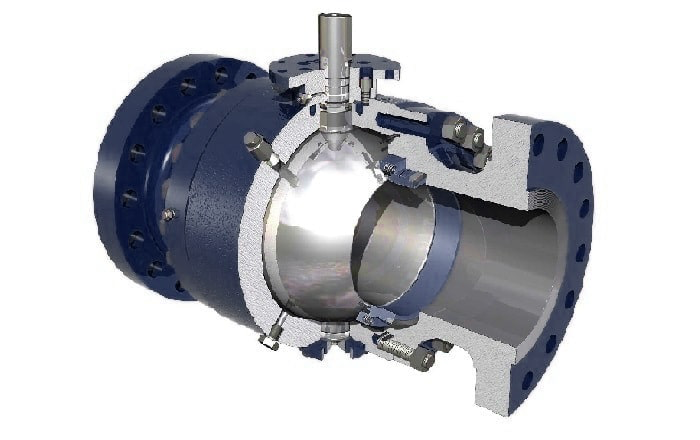
At its core, a valve is a mechanical device that regulates, directs, or controls the flow of a fluid by opening, closing, or partially obstructing passageways. Valves are the “hands” of a flow control system. Their importance cannot be overstated, as a correctly selected valve can prevent catastrophic failures, optimize process performance, and reduce energy consumption. Valves are classified by their function and design. The most common types include: Ball Valves: Known for their fast operation and tight shut-off, they use a spherical ball with a hole through the center. They are ideal for quick on/off applications. Gate Valves: These valves use a flat gate or wedge to block the flow. They are best for applications where minimal pressure drop is required when the valve is fully open, but they should not be used for throttling. Globe Valves: With a plug that moves against a seat, globe valves are excellent for throttling and regulating flow in pipelines. Check Valves: These are one-way valves that allow fluid to flow in only one direction, preventing backflow that can damage equipment or compromise a process. Plug Valves: These use a tapered or cylindrical plug with one or more hollow passageways to control flow. They are suitable for various on/off and diverting services. The choice of valve depends on several critical factors, including the type of fluid, pressure, temperature, and the specific application’s requirements.
The Role of Valve Actuators
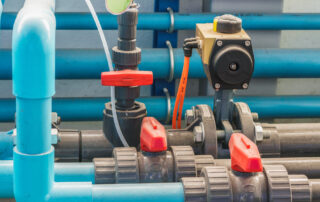
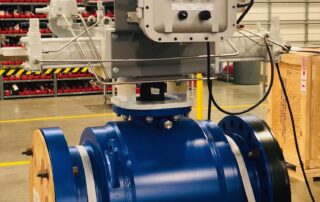
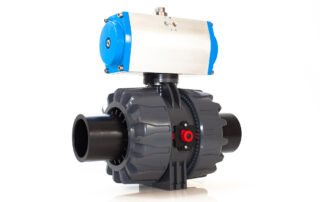
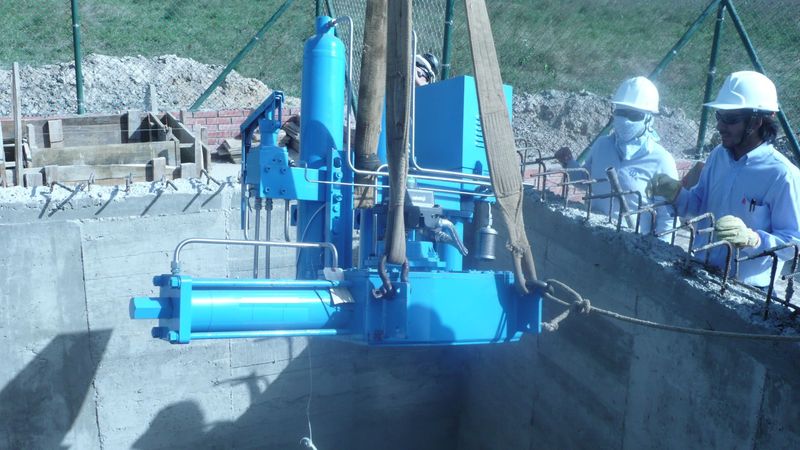
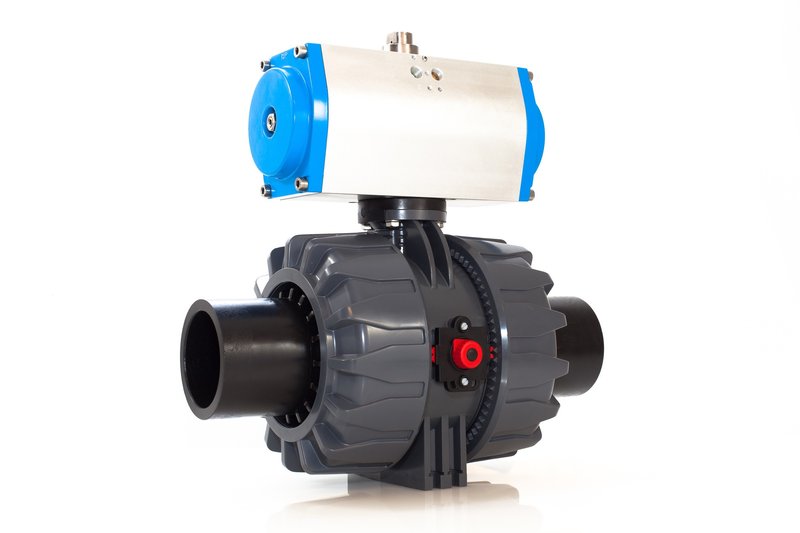
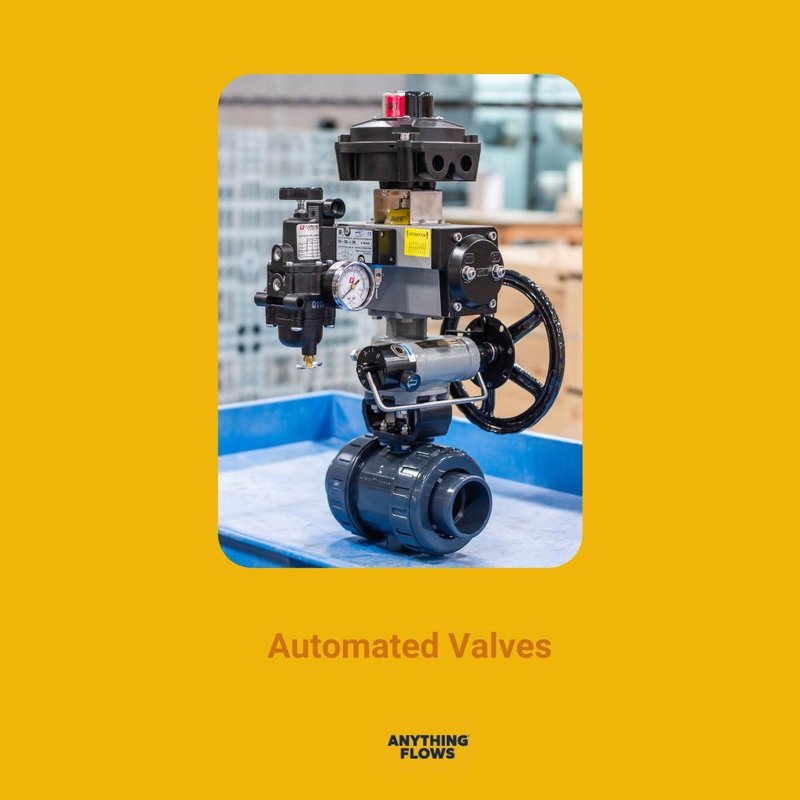
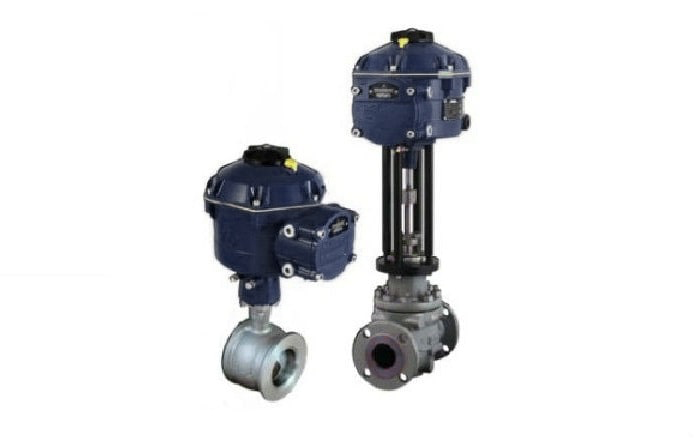
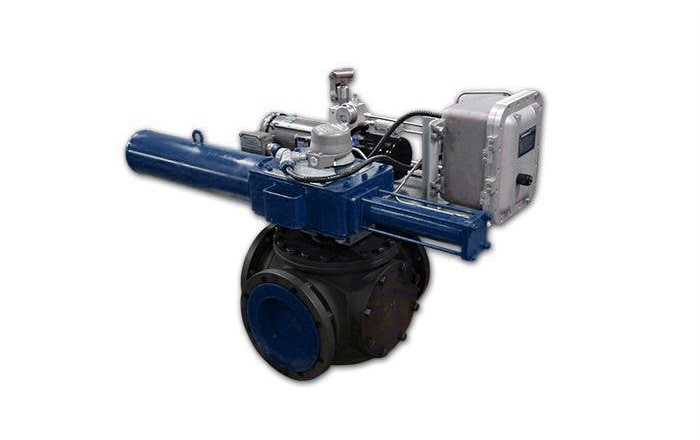
While a valve performs the physical action, an actuator is the device that provides the power to operate it. Actuators are the “muscles” of the system, transforming a control signal into mechanical motion to open or close the valve. This mechanization allows for remote operation, automation, and precise control, especially in environments that are hazardous or difficult for human operators to access. Actuators are typically categorized by their power source: Manual Actuators: Operated by handwheels or levers, these are the simplest form and are suitable for applications where speed is not a concern and human intervention is possible. Electric Actuators: Using an electric motor, they are highly reliable and offer precise positioning control. They are a great choice for applications that require gradual opening or closing. Pneumatic Actuators: Powered by compressed air, these are favored for their speed, simplicity, and safety in explosive environments. They are widely used for on/off and modulating control. Hydraulic Actuators: Using pressurized liquid (oil), they provide immense force and are ideal for large valves that operate under very high pressure. The integration of valves and actuators creates a complete flow control solution. For instance, a trunnion ball valve might be paired with a scotch yoke actuator to manage flow in a high-pressure natural gas pipeline. The ability to select the right combination of valve and actuator is paramount for a system’s reliability and performance.
The Impact Across Industries
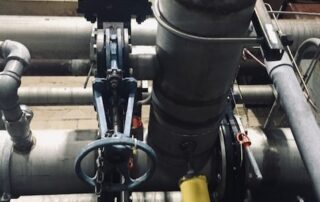
Industrial flow control solutions are the hidden arteries of modern society. In the oil and gas industry, they manage the flow of crude oil from the well to the refinery. In power generation, they regulate steam flow to turbines. For water treatment facilities, they control the purification process. The proper implementation of these solutions leads to reduced operational costs, enhanced worker safety, and improved environmental compliance. Ultimately, they are a testament to the fact that effective engineering is often about managing the movement of things, making industrial flow control solutions a critical part of the global economy.
Call-to-Action (CTA):
Ready to optimize your system? Our team of experts is here to help you find the perfect flow control solution. Contact us today for a consultation and take your operation to the next level.